
Urban regeneration of industrial heritage cities: A comparative study of textile manufacturing in Łódź (Poland) and Yazd (Iran)
Mohammadhossein DEHGHAN POUR FARASHAH  *
*
Abstract. This study conducts a comparative analysis of the urban regeneration processes in Łódź, Poland, and Yazd, Iran. Despite the fact that both cities share a common historical background in textile manufacturing, they are characterised by distinct political, cultural, and socio-economic contexts. This research synthesises the findings of six doctoral papers to explore the values associated with textile manufacturing heritage, the role of post-industrial functions in urban management, and the determinants influencing urban regeneration. The methodology employed semi-structured interviews with stakeholders, complemented by fieldwork and observational analyses of textile manufacturing heritage sites, with a particular emphasis on revitalisation projects. While the Historic Urban Landscape framework examines the principles of spatial integration, the critical heritage studies approach evaluates the representation of heritage and the construction of meaning. By integrating comparative perspectives from Central European and Middle Eastern contexts, this research provides transferable strategies for policymakers, urban planners, and heritage managers aimed at fostering equitable, culturally informed, and sustainable urban transformation within industrial districts.
Key words: revitalisation, adaptive reuse, heritage value, Historic Urban Landscape, critical heritage study, industrial heritage tourism, Łódź, Poland, Yazd, Iran.
1. Introduction
Heritage plays a pivotal role in shaping the identity and perception of a city, which is inherently influenced by emotional responses and lived experiences (Walczak, 2015). The conventional definitions of heritage have been fundamentally challenged by the emergence of critical heritage studies (CHS) as a significant subfield. This approach examines the historical, sociocultural, governmental, and political dimensions of heritage (Gentry and Smith, 2019; Lixinski et al., 2024). CHS adopts a people-oriented approach that examines the reception, negotiation, and transformation of heritage across temporal contexts (Smith, 2006; Witcomb and Buckley Am, 2013). In contrast to an approach to heritage preservation that emphasises material and intrinsic values, the CHS underscores the foundational relationship between the community and the continuity of heritage (Poulios, 2014). This foundational relationship may encompass urban spaces that embody complex layers of societal memory and cultural narratives, thereby facilitating the navigation of their historical contexts and the formation of collective memories (Soyer and Tunca, 2025). Urban regeneration can significantly influence the landscape of collective memory and emotional attachment within local populations, while also complicating the power dynamics among the stakeholders involved (Sacco et al., 2013).
The concept of heritage is expanded to encompass elements that have, until recently, received insufficient attention, such as industrial heritage. The legacy of our recent industrial past serves as a significant representation of a rich production culture, which necessitates preservation and revitalisation as a recognised aspect of heritage (Alba Dorado, 2023). Industrial heritage encompasses significant historical, social, cultural, technical, commercial, and aesthetic value, thereby constituting an essential component of our cultural legacy (Dehghan Pour Farashah, 2024; Mo et al., 2022). In the late 20th century, the revitalisation and utilisation of industrial heritage sites emerged as effective strategies for promoting urban regeneration in Britain, serving as a reference point for other countries (Couch et al., 2008; Zhang et al., 2022). Industrial heritage serves as both a source of cultural identity and a commodity that contributes to economic development; however, tensions frequently arise between these dual functions (Yang et al., 2019). Historic industrial sites are integral to tourism development and urban regeneration initiatives, providing opportunities for efficient new uses despite inherent challenges (Pickard, 2018). Transforming industrial heritage buildings into innovative spaces presents significant potential for hosting cultural events, leisure activities, and tourism (Lee et al., 2022; Murzyn, 2016; Navratil et al., 2018). Furthermore, the revitalisation of these structures can lead to substantial improvements in environmental quality (Becchio et al., 2018). The revitalisation of industrial heritage sites has the potential to catalyse urban regeneration when implemented through an integrated development framework that encompasses physical, economic, social, and cultural dimensions (Sun and Chen, 2023).
Based on ICOMOS, conservation encompasses the methodologies for maintaining and managing alterations to heritage buildings in a manner that preserves and enhances their heritage value. This approach may involve strategies aimed at safeguarding the heritage value of assets through minimal intervention (ICOMOS, 2013). In contrast, preservation primarily emphasizes the protection of heritage buildings from deterioration, destruction, or inappropriate modifications, typically by maintaining them in their existing condition. Preservation is generally regarded as a more static process than conservation, prioritising the retention of the original material and form of the building (Venice Charter, 1964). In practice, preservation is implemented for structures of significant value or when the emphasis on historical authenticity is paramount. Revitalisation is defined as the reintegration of heritage buildings into the social and economic context of a community, frequently requiring active community participation and the implementation of urban regeneration strategies. Pendlebury (2008) characterised revitalisation as a dynamic process designed to restore a heritage site through investment and adaptive reuse, often associated with the broader context of urban regeneration. This process integrates cultural, social, and economic objectives while promoting both the preservation of the building and its reintegration into contemporary society. Adaptive reuse refers to the practice of repurposing buildings for new functions while preserving their heritage values. Bullen and Love (2011) have argued that adaptive reuse constitutes a sustainable strategy, enabling structures to meet contemporary requirements without necessitating complete demolition or extensive modification. This research considers all relevant activities, placing particular emphasis on revitalisation efforts. Additionally, the activities conducted in the case studies are incorporated into the broader process of urban regeneration within districts characterised by industrial heritage.
CHS and collective memory emphasise the processes through which local communities construct, interpret, and contest industrial heritage (Assmann, 2011; Wertsch, 2021). Sun and Chen (2023) have contended that the unique significance of the industrial area is rooted in its historical and contemporary functions as a hub for the furniture and building materials industries. Retired workers, labour unions, and communities whose livelihoods have been shaped by industrial activities are currently confronted with the challenge of preserving and commemorating their industrial heritage (Smith and Campbell, 2017). These sites elicit intricate emotional responses that encompass both feelings of loss and pride (Dehghan Pour Farashah, Ghaderi, et al., 2025). Industrial heritage also encompasses the cities, sites, and transformations that have substantial implications for urban planning. The recognition and management of industrial heritage sites, encompassing preservation, revitalisation, and selective demolition, are intricately linked to the conflicts that emerge within planning practices (Oevermann and Mieg, 2014b). Consequently, management and revitalisation of industrial heritage are closely interconnected with endeavours in urban and regional planning, alongside the tensions that emerge in the remembrance of heritage (Douet, 2016; Oevermann and Mieg, 2014a). The built environments linked to industrial history predominantly display a mundane character, defined by intricate, expansive, polluted, or otherwise degraded landscapes (Smith, 2006). Lu et al. (2020) have asserted that, in recent years, the value of industrial heritage has been recognised within a broader context, shaped by urban regeneration initiatives, rather than being evaluated exclusively according to the standards and norms delineated in conventional heritage discourses and their associated frameworks. According to CHS, there is a significant emphasis on the necessity of context-sensitive approaches for comprehending heritage as a dynamic and contested process within post-industrial urban environments (Dehghan Pour Farashah et al., 2026). Therefore, the revitalisation of industrial heritage through a comprehensive approach has the potential to enhance both the appreciation and value of such heritage (Babutsalı Alpler et al., 2020).
The Historic Urban Landscape (HUL) recommendation, which integrates socioeconomic development with the regeneration of urban heritage, was endorsed by the UNESCO General Conference in 2011 (UNESCO, 2011). The HUL approach reflects the evolution of heritage philosophy over the past three decades and the dynamic role of heritage within cities (Bandarin, 2019). The framework emphasises the recognition and analysis of the global and local, tangible and intangible, environmental and cultural, as well as the interconnected layers of urban environments (Taylor, 2016). The HUL approach advocates for a re-evaluation of urban regeneration and conservation strategies (Dehghan Pour Farashah, 2024). The novelty of this approach lies in its comprehensive perspective on cities, which incorporates social, cultural, and economic dimensions. Consequently, the HUL framework distinguishes itself as an innovative approach to addressing contemporary urban challenges within the context of regeneration (UNESCO, 2011). The multi-layered nature of industrial heritage value necessitates that the regeneration process incorporates an appropriate approach (Dehghan Pour Farashah, 2023). The HUL approach is well-suited for the regeneration of industrial heritage, as it considers all relevant values necessary to transform these sites into liveable spaces.
Hence, it is imperative to incorporate the regeneration of industrial heritage into the HUL approach. In this context, Dehghan Pour Farashah (2024) has presented a four-step conceptual planning framework that encompasses recognition, partnership efforts, diagnosis and feasibility, and intervention action. Recognition and partnership initiatives encompass the identification and classification of industrial heritage values, as well as the engagement of stakeholders in the development of innovative governance strategies. Diagnosing issues related to industrial heritage sites and conducting feasibility studies for adaptable urban uses could enhance living standards and create a balance between quality of life and urban development. Intervention actions consider both the tangible and intangible values of industrial heritage in the context of regeneration, aiming to address the existing barriers. Furthermore, the parameters for adaptive reuse initiatives that facilitate urban regeneration and the conservation of industrial heritage are essential to consider. Thus, the novelty of this research lies in the integration of industrial heritage regeneration with the HUL approach, which enhances urban planning practices and policies in cities characterised by industrial heritage. Furthermore, this research conceptualises heritage not as a static remnant of the past, but as an ongoing, contested process in which memory, identity, and socio-political relations are inextricably intertwined.
Existing research has concentrated on the urban regeneration of industrial heritage cities through case studies of Yazd, Iran, and Łódź, Poland. Each case study exemplifies the industrial heritage cities in Central Europe and West Asia, characterised by distinct socio-economic, socio-cultural, and physical conditions. These two cities functioned as pivotal centres for textile manufacturing; however, the majority of textile factories have been closed since the 1990s, primarily due to urban development and the influx of imported textiles (Dehghan Pour Farashah et al., 2025; Walczak, 2015). Due to the obsolescence of their original functions, several factories in these two cities have undergone transformations in usage since the 2000s (Dehghan Pour Farashah and Pourzakarya, 2025; Walczak and Kępczyńska-Walczak, 2024). The present study synthesises the conclusions of six doctoral research articles pertaining to urban regeneration within the context of textile manufacturing sites. This enables me to investigate the following questions:
- What are the values of the textile manufacturing heritage in Yazd and Łódź?
- What is the role of post-industrial functions in the urban management of Yazd and Łódź?
- What determinants influenced urban regeneration within the context of industrial heritage spaces in Yazd and Łódź?
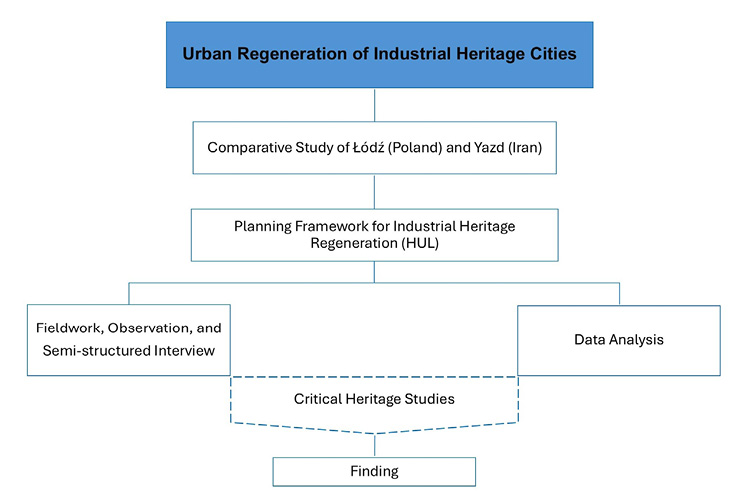
This study is significant as the exploration of urban regeneration in industrial heritage cities is imperative for the promotion of inclusive and sustainable urban heritage development. The conclusions derived from this research may elucidate the characteristics of urban regeneration in these two cities, which exemplify Central Europe and West Asia, respectively. This study highlights that the values of industrial heritage are linked to the process of regeneration. Simultaneously, this study contributes to the discourse on community engagement in the process of adaptive reuse, elucidating how industrial heritage can be addressed within the context of contemporary urban development. The results of this study can assist policymakers, heritage experts, and urban designers in developing heritage statements that resonate with local populations and ensure the efficacy of urban regeneration initiatives. Figure 1 illustrates the conceptual and methodological framework of the paper. The overarching research question concerning urban regeneration in industrial heritage cities is examined through a comparative case study approach, focusing on the cities of Łódź and Yazd. The HUL approach serves as the primary spatial-planning framework, structuring the analysis of industrial heritage within the context of broader urban systems. Empirical research is conducted through fieldwork, observation, and semi-structured interviews, yielding qualitative data that are analysed using coding and thematic analysis. The CHS approach constitutes the interpretive layer, exploring the dynamics of memory, identity, power, and value negotiation within the regeneration process. While the HUL framework scrutinises the principles of spatial integration, the CHS approach critically assesses the representation of heritage and the construction of meaning. The integration of these theoretical perspectives with empirical analysis informs the paper’s findings on the efficacy of regeneration, governance, and socio-spatial transformation.
Source: own work.
2. Materials and methods
2.1. Justification of comparative study and site selection
The choice of Łódź (Poland) and Yazd (Iran) is informed by a comparative research design that seeks to investigate the role of industrial heritage-led urban regeneration in different socio-economic, cultural, and institutional settings. Both cities were prominent textile production hubs in the 19th and early 20th centuries, and both underwent a rapid process of deindustrialisation from the late 20th century onwards, leaving large numbers of obsolete industrial sites. This common industrial heritage offers a controlled setting for comparison, while the different political systems, planning cultures, values, and economic structures offer a setting to explore how context influences regeneration outcomes. From the perspective of socio-economic geography, this Central Europe and West Asia comparative study enables the discovery of general principles and context-dependent limitations in spatial management and urban regeneration. The criteria for selecting industrial heritage sites in Łódź and Yazd were meticulously defined to ensure consistency and validity in the comparative analysis of the two case studies (Table 1). Firstly, only sites exceeding one hectare in size were included, facilitating a focus on large-scale industrial sites with significant spatial impacts on the surrounding urban environment. Secondly, the selection was restricted to sites that have undergone revitalisation or adaptive reuse initiatives, enabling an examination of the outcomes of regeneration efforts, rather than focusing on abandoned or inactive industrial sites. Thirdly, all selected sites are either formally or socially recognised as industrial heritage sites, ensuring that the study investigates historically embedded urban environments rather than newly developed areas. Finally, the selected sites share a historical connection to textile production, thereby establishing functional equivalence between Łódź and Yazd as textile-based industrialised cities. By concentrating on large textile factories recognised for their heritage status and currently undergoing transformation, the study explores functionally equivalent post-industrial spaces, thereby enhancing the methodological rigor pertaining to the regeneration of industrial heritage in urban contexts.
| Selection Criterion | Operational Definition | Analytical Purpose | Comparative Function (Łódź–Yazd) |
|---|---|---|---|
| Minimum site area | Industrial complex ≥ 1 hectare | Ensures spatial significance and urban impact | Selects large-scale post-industrial areas in both cities |
| Revitalisation / adaptive reuse | Site undergoing or completed regeneration | Enables analysis of regeneration processes and outcomes | Allows comparison of transformation trajectories |
| Heritage recognition | Identified as industrial heritage site | Focus on historically embedded urban landscapes | Ensures historical equivalence |
| Textile industrial function | Former textile factory | Maintains sectoral consistency | Links cities through shared industrial legacy |
Source: own work.
2.2. Data collection and data analysis
This study is based on a comparative study derived from a larger research project conducted during the PhD program. Comparative study in the social sciences is exemplified in cross-cultural or comparative research that aims to analyse differences and similarities across various countries or cultures (Lambert, 2001). In relation to data collection, the author employed semi-structured interviews with experts and professionals, complemented by fieldwork and observational analyses of textile manufacturing heritage sites, with particular emphasis on revitalisation projects in these two cities. This observation involved two years of fieldwork conducted in Łódź and Yazd, spanning from 2022 to 2024. To analyse the status of textile heritage sites within the contexts of Łódź and Yazd, the author engaged in multiple tours as a tourist throughout this period. The fieldwork and observational analysis conducted during the tours were systematically documented utilising photography and note-taking as the primary methods. Following each tour, the notes were elaborated upon and refined for data analysis, incorporating references to the corresponding photographs. The observations encompass a thorough analysis of the condition of industrial heritage sites and their contextual environments. The adaptation and modification of these sites for new purposes, along with the interactions between users and heritage spaces, have been thoroughly documented. The narratives and values articulated by the tour guides constituted the most significant aspect of the observation, as they encapsulated the textile manufacturing heritage. Furthermore, the repurposing of textile factories for various functions and the involvement of local communities were noted, prompting the formulation of follow-up questions for the tour guide. In examining the relationship between the two distinct data sets (observations and semi-structured interviews), identifying contradictions among the statements underscores potential issues of falsification.
Regarding semi-structured interviews, 46 interviews were conducted in Łódź from November 2023 to March 2024, and 32 interviews were conducted in Yazd from July 2023 to September 2023. The interview guidelines were developed in accordance with the literature review and aligned with the study’s research questions and objectives. Interviews were seized at the time of data saturation. The interviewees were recognised experts in the disciplines of architecture, urban studies, economics, and tourism. Additionally, eight interviewees in Łódź were former employees of textile factories, while six interviewees in Yazd had similar backgrounds. The snowball sampling was employed for the participant selection to ensure balanced representation between the public and private sectors, as well as between academic and practitioner domains. Initial invitation messages were dispatched to experts in Yazd, followed by subsequent telephone calls. In the case of Łódź, experts were solicited for interviews through email correspondence. Interviews with participants were conducted in their offices or in a nearby café in Persian, Polish, and English, while ensuring adherence to anonymity protocols. A voice recorder was utilised during the interviews, with the consent of the participants, and the recordings were subsequently transcribed. Each interview had a duration ranging from 80 to 120 minutes, with the Polish and Persian interviews translated into English for analytical purposes. Content, thematic, and reflexive thematic analysis techniques were employed to analyse the texts using Atlas.ti software (version 8). The textual data were analysed utilising these techniques to elucidate underlying themes (Ghaderi et al., 2020). The data was coded in accordance with the research inquiries and subsequently classified based on semantic and conceptual relationships, followed by appropriate labelling. A network of coding groups was established, featuring a principal theme for each network along with supplementary sub-codes to elucidate the interconnections among concepts (Ghaderi et al., 2024). In the results section, excerpts from the interview findings are presented from five distinct studies.
2.3. Yazd
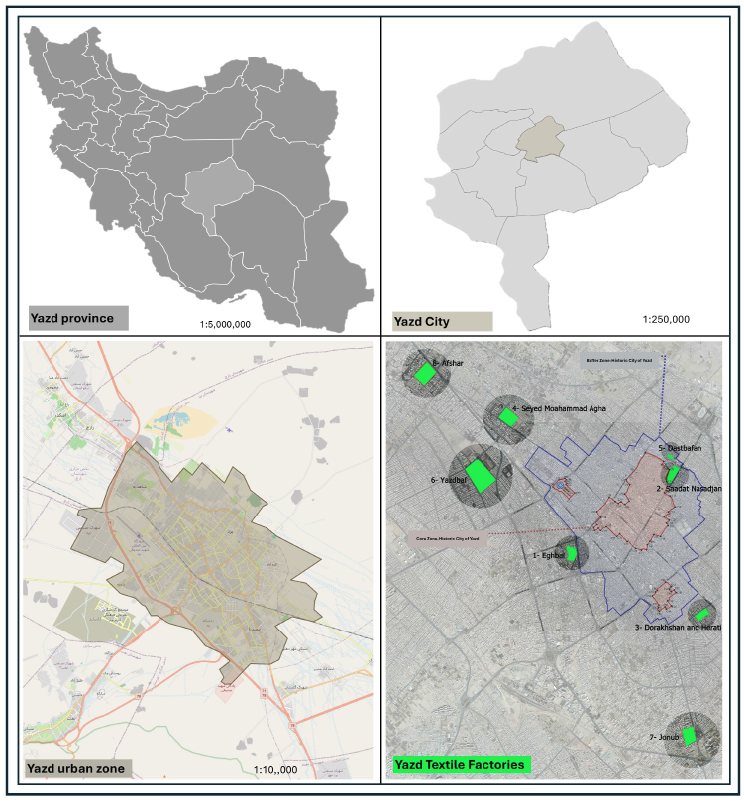
The city had historically been inhabited predominantly by Jewish, Zoroastrian, and Muslim communities. Yazd began to gain prominence in the Sasanian Empire (438–457) due to its strategic location near the Silk and Spice Roads on the Central Iranian plateau (Fig. 2). This location exemplifies the adaptation to and utilisation of limited resources for survival in a desert environment. The cultural heritage of Yazd, encompassing earthen architecture and traditional handicrafts, has largely remained preserved throughout the years (Dehghan Pour Farashah et al., 2025). The presence of skilled artisans, along with the rich history of the textile industry in Yazd, has significantly contributed to the establishment of modern industrial institutions at the beginning of the 20th century (Dehghan Pour Farashah and Pourzakarya, 2025). The importation of industrial machinery from Europe and the United States facilitated the establishment of large-scale factories, which significantly contributed to the economy of Yazd for more than fifty years (Ramazankhani, 2016). These factories were characterised by distinctive architectural patterns and designs that were indicative of their historical context (Dehghan Pour Farashah et al., 2019). Since the 1990s, several textile factories in Yazd were closed due to urban development, environmental concerns, economic recessions, and shifts toward service-oriented and heavy manufacturing sectors (Dehghan Pour Farashah and Pourzakarya, 2025; Esfahani and Pesaran, 2009). Due to their substantial dimensions, advantageous urban locations, and the adaptability of their modular structures, these entities paved the way for conversion into diverse uses. However, there has been a lack of adequate efforts to promote awareness of these sites in Yazd in comparison to other heritage buildings (Samadzadehyazdi et al., 2020).
Source: own work.
2.4. Łódź
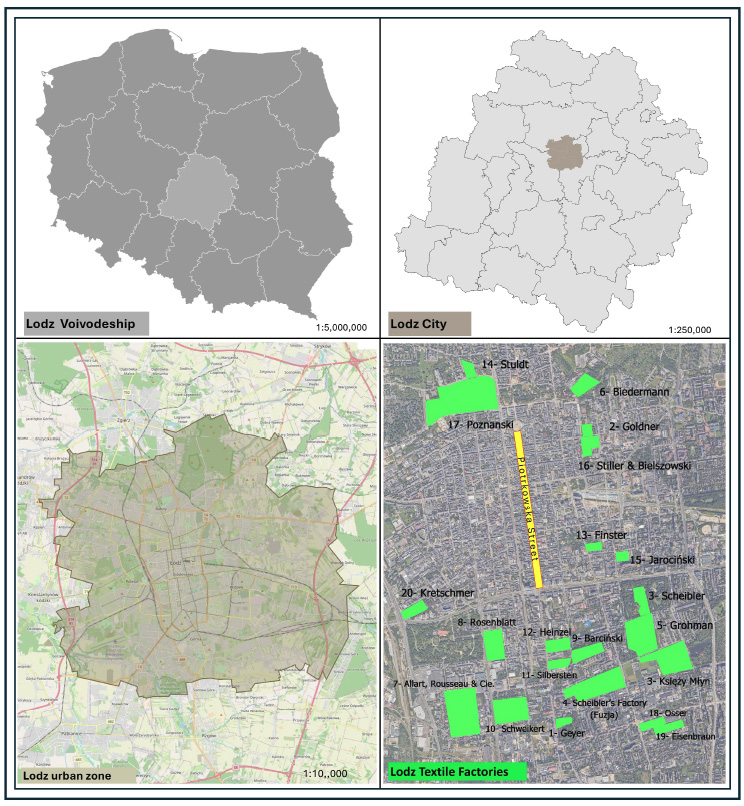
Łódź is located in the central region of Poland and was granted city rights in 1423, maintaining a modest status as a settlement until the 18th century (Fig. 3). The city underwent a transformation into a rapidly developing centre of industry, primarily in the field of textile manufacturing, in 1820, as a result of a decision made by the authorities (Dehghan Pour Farashah et al., 2025).
Source: own work.
Individuals from various regions of Europe, including southern Germany, Silesia, Bohemia, and Jewish communities, migrated to Łódź. Accordingly, Łódź was a multicultural city characterised by the coexistence of diverse groups, including Jewish, German, Russian, and Polish populations (Mokras-Grabowska and Mroczek-Żulicka, 2024). The city experienced a relatively stable period of growth and expansion during the socialist era, following a phase of rapid development in the 19th and early 20th centuries. Following the political transformation that occurred in 1989, the city subsequently experienced a decline (Galuszka, 2022). This also resulted in the collapse of the textile industry, necessitating the development of new uses for its abandoned industrial heritage sites in order to reinvent the identity of Łódź. Since the early 2000s, there has been a growing number of adaptive reuse projects involving these sites. These textile factories have been repurposed as educational institutions, commercial centres, cultural venues, and residential complexes (Walczak, 2015). The revitalisation efforts pertaining to former textile factories in the early 2000s coincided with the transition to a more consumption-oriented society. This movement has facilitated the preservation of Łódź’s unique identity while simultaneously adapting to the post-industrial economic landscape (Dehghan Pour Farashah et al., 2025).
3. Finding
Following the application of the selection criteria delineated in Table 1, an initial compilation of textile industrial sites was generated for both case study cities. Based on the minimum area criterion of one hectare, eight textile factory complexes were identified in Yazd, while twenty were identified in Łódź. Subsequently, additional criteria pertaining to adaptive reuse/revitalisation status, designation as industrial heritage sites, and historical connections to textile production were employed to further refine the list. This systematic filtering process ultimately resulted in the selection of five textile factories in Yazd and nine in Łódź for further analysis (Tables 2 and 3). Factories highlighted in red are designated as selected factories. The shortlisted industrial heritage sites served as the foundation for the empirical research, which informed the execution of fieldwork, stakeholder interviews, and qualitative analysis procedures, as discussed in the subsequent section on data and research methods. The maps included in Fig. 2 and 3 primarily fulfil an informational and locational role, delineating the broader administrative context of the case-study cities within their respective regions. However, the empirical scope of this research is constrained to specific post-industrial textile heritage sites situated within the administrative boundaries of the cities of Łódź and Yazd. Consequently, the analysis concentrates on urban regeneration processes at both the site and city levels, rather than on development dynamics at the regional scale.
3.1. Recognition of the value of textile manufacturing heritage
According to the findings in Yazd, one of the critical preconditions for reuse is the identification of the historical and cultural value of textile factories prior to the initiation of the reuse process. Such values evoke emotions of pride and a sense of place attachment that are intrinsically linked to the historical context of the city. Besides their architectural importance, these factories are mainly valued for their social and economic impact. They help make the city livelier and offer jobs to people from different parts of Yazd. The change in land use from revitalisation has improved the urban economy and brought added economic value to the local community. Adaptive reuse supports sustainable urban planning by mitigating suburban sprawl and contributes to sustainable construction by reducing material consumption. This concept aligns with the perspective that industrial heritage buildings represent reusable assets. Several cases illustrate how adaptive reuse can transform sites that are perceived negatively, resulting in enhanced local security, increased land value for the surrounding neighbourhood, and improved prospects for tourism development. The success of these revitalisation cases fundamentally relies on social values and community engagement. Experts emphasised that collective memory and social interaction should be considered during the conversion of factories, thereby facilitating public familiarity with heritage and revitalising the memories associated with textiles. Additionally, former workers should be involved in the revitalisation process, potentially as investors. Furthermore, certain uses, such as cultural and creative industries, can create social value; however, former workers are restricted from visiting, resulting in limited connection with the general public. In Yazd, the textile factories exhibit significant potential for diversification into new uses, largely due to their expansive areas, adaptable modular structures, and comparatively fewer preservation restrictions compared to other categories of heritage. The presence of multiple buildings within a site may contribute to the effectiveness of the revitalisation phasing plan. In addition to the value of industrial heritage in Iran, it is important to recognise that political, cultural, and religious factors impose constraints on certain new uses. Furthermore, some of these new uses appear to have been adopted from European models without consideration for their feasibility or the needs of Yazd. Table 2 presents a compilation of textile factories located in Yazd that occupy an area exceeding one hectare.
| Factory. No | Name of factory | Year when established | Year when closed | Current condition | Revitalisation completion date | Area (hectare) |
|---|---|---|---|---|---|---|
| 1 | Eghbal | 1931 | 1978 | Reused (Yazd Science and Technology Park) | 2006 | 3.65 |
| 2 | Saadat Nasadjan | 1934 | 2000s | Under revitalisation for hotel | 2026 | 10 |
| 3 | Dorakhshan and Herati | 1935 | 1980s | Reused (Innovation Factory) | 2022 | 4.1 |
| 4 | Seyed Moahammad Agha | 1948 | 2000s | Abandoned | Not applicable | 8.47 |
| 5 | Dastbafan | 1948 | 1980s | Abandoned and school | 1990s | 1.16 |
| 6 | Yazdbaf | 1956 | Not applicable | Active (in its original function) | Not applicable | 14 |
| 7 | Jonub | 1959 | 2003 | Reused as seasonal exhibitions and museum | 2017 | 5.37 |
| 8 | Afshar | 1963 | 2010s | Abandoned | Not applicable | 12.1 |
Note: Factories highlighted in red are designated as selected factories.
Source: own work.
Table 3 delineates twenty textile factories located in Łódź, each occupying a land area exceeding one hectare.
| Factory. No | Name of factory | Year when established | Year when closed | Current condition | Revitalisation completion date | Area (hectare) |
|---|---|---|---|---|---|---|
| 1 | Geyer’s White Factory | 1837 | 1990 | Museum | 1960 | 2.88 |
| 2 | Ferdinand Goldner’s factory | 1883 - 1896 | 1995 | University | 2001 | 1.1 |
| 3 | Księży Młyn (Priest’s Mill) | 1824 | 2006 | Offices and housing | 2024 | 10 |
| 4 | Scheibler’s Factory (Western part – now “Fuzja”) | 1878 | 2003 | Residential, offices and restaurant | 2024 | 18.5 |
| 5 | Grohman factory | 1888 | 2003 | Abandoned / office, conference, cultural and exhibition centre | 2013 | 1.45 |
| 6 | Biedermann factory | 1863 | 1990 | Destroyed and new factory | Not applicable | 4.4 |
| 7 | Allart, Rousseau & Cie. | 1879 | 1989 | Abandoned and destroyed / housing | Not applicable | 8.8 |
| 8 | Rosenblatt factory | 1880 | 1934 | Lodz University of Technology / Mostly new buildings | 1945 | 7.6 |
| 9 | Salomon Barciński factory | 1884 | 2004 | Residential Dental Medic / completely new buildings | Not applicable | 4.8 |
| 10 | F.W. Schweikert factory | 1908 | 1994 | Lodz University of Technology Library / partly new buildings | 2002 | 8.7 |
| 11 | Markus Silberstein Factory | 1896 | 1980 | Apartment rental agency / partly destroyed, partly abandoned, partly office | 2000 | 2.4 |
| 12 | J. Heinzel dyeing and printing house | 1861 | 1925 | Destroyed, buildings from 20th century | Not applicable | 4 |
| 13 | Teodor Finster factory | 1881 | 1990s | Offices and Social Sciences Academy / labor Office | 2000s | 1.6 |
| 14 | Jan Stüldt factory | 1886 | 1937 | Destroyed | Not applicable | 1.8 |
| 15 | Factory of Zygmunt Jarociński | 1889 | 1995 | Abandoned | Not applicable | 1.5 |
| 16 | Stiller and Bielszowski Factory | 1876 | 1950s | Warehouses / Little factories | 2000s | 1.7 |
| 17 | Izrael Poznański’s factory | 1872-1892 | 1992 | Arts centre, shopping mall, and leisure complex | 2006 | 27 |
| 18 | Osser | 1903 | 1995 | Abandoned / workshops | Not applicable | 4 |
| 19 | Eisenbraun | 1894 | 1950s | Workshops | Not applicable | 2,8 |
| 20 | Kretschmer | 1880 | 1990s | Hotel, apartments | 2013 | 2 |
Note: Factories highlighted in red are designated as selected factories.
Source: own work.
In Łódź, the process of heritage legitimisation has been undertaken by governmental bodies, municipalities, local communities, and particularly private enterprises over the past 25 to 30 years. Prior to this period, considerable debate occurred in Poland concerning whether these textile factories should be regarded as heritage and deemed worthy of protection. Other heritage is generated by well-known and prominent individuals. In contrast, the heritage of textile manufacturing is associated with ordinary individuals, such as servants and labourers. Therefore, although these post-industrial buildings may not represent the quintessential showcase of Łódź, they can significantly contribute to the urban identity of the city. The cultural, historical, and symbolic significance of Łódź’s textile manufacturing heritage exemplifies how industrial heritage shapes local pride and collective memory, highlighting the city’s identity as an industrial hub. The heritage value encompasses not only immovable heritage buildings but also the narratives of workers, the socio-economic impact of textile manufacturing, and Łódź’s unique position within both Poland and Europe. Preserving and celebrating this heritage is essential for fostering a sense of place and belonging among residents. However, for some individuals, these factories epitomised a notion of memory and trauma within the context of heritage. This collective memory intensified during the 1990s, particularly following the closure of most factories that had formerly provided employment for a substantial number of individuals, many of whom subsequently encountered significant challenges in securing new job opportunities. Nonetheless, a pivotal shift in this perspective occurred in 2006, with the introduction of Manufaktura as the first textile factory repurposed for contemporary uses. The integration of industrial heritage values into the tourism landscape of Łódź involves engaging diverse audiences to promote the city as a distinctive destination for industrial heritage tourism. The effective interpretation of industrial heritage is essential for fostering meaningful visitor experiences that engage with the site’s cultural and historical significance. Table 4 shows the comparative analysis of Yazd and Łódź.
| Comparative dimension | Yazd | Łódź | Key comparative insight |
|---|---|---|---|
| Initial recognition of heritage value | Recognition of textile factories as heritage is a precondition for adaptive reuse and is still emerging; value identification must precede revitalisation. | Heritage recognition evolved through a long process of debate and legitimisation over 25–30 years, led by public authorities and private actors. | Yazd is at an early, value-discovery stage, while Łódź reflects a mature, institutionalised recognition process. |
| Dominant types of heritage value | Social and economic value dominates, alongside architectural significance; factories are valued for liveliness, employment, and urban economy. | Cultural, historical, and symbolic values are central, including workers’ narratives and the city’s identity as an industrial hub. | Yazd emphasises functional and socio-economic value, whereas Łódź emphasises symbolic, narrative, and identity-based value. |
| Emotional and memory-related associations | Pride, place attachment, and collective memory linked to the city’s textile past; revitalisation aims to reactivate these memories. | Collective memory is strong but ambivalent, combining pride with trauma linked to factory closures and post-socialist transition. | Memory in Yazd is largely affirmative, while in Łódź it is contested, shaped by both nostalgia and socio-economic loss. |
| Role of community and former workers | Community engagement and inclusion of former workers (even as investors) are viewed as critical to successful reuse, though not always realised. | Workers’ histories are recognised as part of heritage narratives, but direct involvement is less emphasized in current revitalisation practices. | Yazd stresses active participation, while Łódź focuses more on representation and interpretation of workers’ histories. |
| Perceived role of adaptive reuse | Adaptive reuse is seen as a tool for sustainable urban planning, economic revitalisation, improved security, and tourism potential. | Adaptive reuse marked a turning point in heritage perception (e.g., Manufaktura, 2006), integrating heritage into tourism and urban branding. | In Yazd, reuse is framed as potential and opportunity; in Łódź, it is a proven catalyst for revalorisation. |
| Constraints shaping heritage recognition | Political, cultural, and religious factors limit acceptable new uses; some reuse models are imported without local adaptation. | Constraints are mainly historical and socio-economic, linked to post-industrial decline and restructuring rather than cultural restrictions. | Heritage recognition in Yazd is shaped by contextual and normative constraints, while Łódź is shaped by structural and historical transitions. |
| Scale and physical potential of factory sites | Large plots, modular structures, and fewer preservation restrictions allow flexible reuse and phased revitalisation. | Large-scale complexes exist, but many sites face strict preservation rules or partial demolition and reconstruction. | Yazd’s heritage offers greater physical flexibility, whereas Łódź’s heritage faces higher conservation complexity. |
| Integration into tourism narratives | Tourism potential is acknowledged but unevenly realised; some new uses limit public access and engagement. | Industrial heritage is increasingly embedded in tourism strategies, emphasising interpretation and visitor experience. | Yazd shows latent tourism integration, while Łódź demonstrates strategic tourism incorporation. |
Source: own work.
3.2. Role of post-industrial functions in urban management
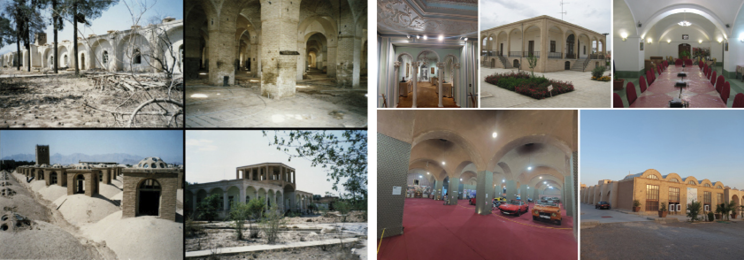
In Yazd, post-industrial functions play a fundamental role in urban management, which is linked to the comprehensive regeneration and adaptive reuse of textile manufacturing heritage. This approach aims to achieve multifaceted economic, social, and physical revitalisation. Industrial heritage tourism is increasingly acknowledged as a compelling strategy employed by post-industrial cities to strengthen their economic frameworks and facilitate the revitalisation of the tourism sector within urban management. Textile factories hold considerable significance as they integrate modern industrial design with prominent features of traditional Iranian architecture. These buildings are distinguished from other heritage buildings due to their large scale, which is particularly conducive to the development of tourism facilities, accommodations, and large hotels. Their open-form and flexible architecture facilitates the allocation of multiple uses, including conversion into creative tourism centres or design spaces such as cinemas, necessitating minimal architectural intervention. The experts in Yazd identified several post-industrial functions that offer essential social and recreational amenities for the community, including shopping centres, restaurants, coffee shops, and recreational green spaces. Furthermore, the adaptive reuse of certain textile factories has facilitated the establishment of educational and innovation centres. Notably, the Eghbal factory has been transformed into the Yazd Science and Technology Park, while the Dorakhshan and Herati factories have been repurposed as an Innovation Factory. Both of these factories were slated for demolition and conversion into shopping malls following their closure in the 1990s. However, through the collaboration of cultural heritage advocates and municipal authorities, these sites were revitalised, resulting in the regeneration of their surrounding neighbourhoods, particularly in the instances of the Dorakhshan and Herati factories. As part of the industrial heritage tourism process, the inclusion of active factories is encouraged in the presentation of textile manufacturing heritage. Despite these potentials, urban management efforts encounter significant challenges, particularly the inadequate consideration of these factories in the master plan of Yazd. Moreover, the presence of numerous historical buildings designated as UNESCO World Heritage Sites has resulted in the underutilisation of industrial heritage for tourism purposes. Therefore, planning authorities ought to prioritise the preservation of textile heritage factories and emphasise the enhancement of connections between these industrial sites and wider urban regeneration initiatives in Yazd (Fig. 4).
Source: own work and ICHHTO.
The events of the 1990s in Łódź heralded a significant collapse of the industry that extended beyond mere economic considerations. This decline also encompassed the disintegration of the social and community dimensions that are integral to the industry. Initially, during the transition to capitalism, factories prioritised the dismantling of social structures, viewing them as impediments to their operational efficiency. Industrial heritage sites have garnered increased attention from society in the wake of the revitalisation of textile factories. The concept of the contemporary city emerges from the regeneration of industrial heritage, which reflects the evolving nature of urban planning through the integration of heritage into modern urban concepts. The textile factory complex exemplifies the „15-minute city” concept, which represents a contemporary urban planning model cantered on accessibility and sustainability. The economic and political context of a country can significantly influence the considerations surrounding heritage and regeneration practices. When societal and governmental priorities diverge, concerns regarding heritage are likely to be marginalised. Although the Central Museum of Textiles is recognised as the city’s inaugural tourist attraction, the Manufaktura has emerged as a prominent tourist destination. This development signifies a substantial milestone for industrial heritage tourism in Łódź, effectively integrating modern facilities with historic amenities. In addition to the specific factories that have been revitalised for the purposes of tourism and hospitality, there exists potential for urban explorers to engage with factories that have yet to undergo revitalisation. Following the closure of textile factories in the 1990s, Łódź experienced a significant population decline and is recognized as a shrinking city within Poland. Retaining young residents after the completion of their studies is critical to the city’s future sustainability. Consequently, the majority of interviewees acknowledged that the overall utilisation of the former textile factories could be more effectively oriented towards serving community purposes. Public engagement and stakeholder contributions, particularly from individuals previously connected to textile manufacturing in Łódź, are prominently discussed in relation to the role of post-industrial functions in urban management. The prevailing sentiment was that community-centric heritage reuse within revitalisation projects distinguishes these initiatives as unique to local residents and contributes to the creation of a more equitable urban environment. Furthermore, the importance of revitalising these areas for public use underscores the necessity of preserving not only historical memories but also ensuring the availability and accessibility of diverse spaces for all local residents (Fig. 5). Table 5 shows the comparative analysis of Yazd and Łódź.
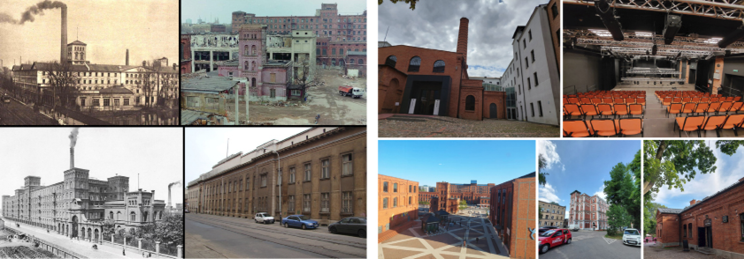
Source: own work and Miasto Łódź.
| Comparative dimension | Yazd | Łódź | Key comparative insight |
|---|---|---|---|
| Role of post-industrial functions in urban management | Post-industrial functions are central to comprehensive urban regeneration, supporting economic, social, and physical revitalisation through adaptive reuse. | Post-industrial functions are framed as instruments for redefining the contemporary city following industrial collapse and socio-economic transition. | Yazd emphasises strategic regeneration potential, while Łódź reflects post-transition urban restructuring. |
| Economic and tourism-oriented functions | Industrial heritage tourism is viewed as a key urban management strategy, with factories reused for hotels, creative tourism, and tourism-related services. | Industrial heritage tourism is well established, with Manufaktura becoming a major destination integrating heritage with commercial and leisure uses. | Tourism in Yazd is emergent and underutilised, whereas in Łódź it is consolidated and emblematic. |
| Social and community-oriented functions | Factories provide social and recreational amenities (restaurants, green spaces, shopping, cultural venues), though community needs are not fully embedded in planning frameworks. | Strong emphasis on community-oriented reuse, equity, and public access to ensure heritage serves local residents, especially in a shrinking city context. | Yazd focuses on service provision, while Łódź prioritises communitycentered urban equity. |
| Educational and innovation-related reuse | Adaptive reuse supports educational and innovation functions (e.g., Science and Technology Park, Innovation Factory), contributing to neighbourhood regeneration. | Educational and cultural functions exist but are less dominant than mixed-use and community-centered redevelopment. | Yazd leverages post-industrial sites for innovation-led regeneration, while Łódź emphasizes mixed-use urban living. |
| Urban form and architectural adaptability | Large-scale, open-form factories with flexible layouts support multiple contemporary uses with minimal intervention. | Factory complexes support compact, mixed-use environments aligned with the “15-minute city” concept. | Both cities value adaptability, but Yazd focuses on architectural flexibility, while Łódź emphasises urban accessibility and integration. |
| Governance and planning challenges | Industrial heritage is insufficiently addressed in the master plan; UNESCO-listed heritage overshadows textile factories in urban priorities. | Heritage regeneration is shaped by political and economic contexts; misalignment of priorities can marginalise heritage concerns. | Planning challenges in Yazd are heritage hierarchy-driven, while in Łódź they are governance and transitiondriven. |
| Public engagement and stakeholder involvement | Collaboration between heritage advocates and municipalities has enabled successful reuse, though broader stakeholder integration remains limited. | Public engagement and stakeholder participation, particularly former workers, are viewed as essential to equitable urban regeneration. | Stakeholder involvement is project-based in Yazd but normative and equity-oriented in Łódź. |
| Contribution to urban sustainability | Post-industrial reuse supports sustainable tourism development and mitigates pressure on suburban expansion. | Reuse addresses population decline, urban shrinkage, and longterm sustainability by enhancing liveability and retention of residents. | Yazd frames sustainability in spatial and economic terms, while Łódź frames it in demographic and social resilience terms. |
Source: own work.
3.3. Determinants of urban regeneration in the context of industrial heritage
In Yazd, urban regeneration within industrial heritage spaces is influenced by a complex interplay of physical, economic, socio-cultural, and planning determinants, which arise from the city’s distinctive historical and political context. Physically, the former textile factories are primarily situated within the historical city limits, albeit outside the urban core, and are generally evenly distributed across various socio-economic areas. This distribution presents diverse regeneration opportunities and facilitates potential connections with existing tourism infrastructure, while concurrently avoiding direct conflicts with heritage conservation policies. Although the strategic location and accessibility near major thoroughfares are critical and flexible factors, numerous textile factories encounter challenges such as traffic congestion, and many sites remain underutilised within a cohesive network. Economically, regeneration is driven by the necessity for adaptive reuse or demolition; however, projects are constrained by significant ownership and investment challenges, particularly when factories are under multiple ownership by private entities and government, which discourages substantial financial commitments. The tensions between economic interests and heritage preservation are significant, resulting in a potential loss of authenticity when immediate economic returns or excessive commercialisation are prioritised over the long-term potential of cultural and industrial heritage tourism. In this context, mixed-use developments have demonstrated greater efficacy. Socio-culturally, religious values exert a significant influence on urban regeneration, emphasising administrative and economic activities rather than fostering a vibrant public atmosphere. This underscores the necessity for regeneration efforts to harmonise with both tangible and intangible values. Furthermore, there is a limited involvement of local communities in the decision-making processes pertaining to industrial heritage. Finally, there is a notable absence of comprehensive planning and a deficiency in feasibility studies, further exacerbated by political constraints on new uses within the revitalisation process, as well as the missed opportunities that have arisen following Yazd’s designation as a UNESCO World Heritage Site in 2017. For regeneration to be effective, it must strike a balance between heritage preservation, urban integration, and contemporary needs, thereby achieving socio-economic outcomes. This can be accomplished by prioritising initiatives that enhance accessibility and infrastructure, promote adaptive reuse, generate financial income, yield social benefits, and preserve cultural heritage values.
The strategic positioning of numerous textile factories represents a significant positive physical and spatial determinant in Łódź. Many of these factories are located within the urban area, particularly in central or well-connected locations, thereby enhancing their potential for revitalisation and facilitating greater accessibility to the city’s industrial sector. Significant sites, such as Izrael Poznański’s factory (Manufaktura), Fuzja (a revitalisation of Scheibler’s Factory), and Księży Młyn, exert considerable influence on the overall urban regeneration of Łódź. The compact distribution of facilities, access to key amenities, and proximity to primary roadways and urban centres contribute positively to the revitalisation process. Moreover, the virtual accessibility of industrial heritage sites, facilitated by 3D projections, is recognised as commendable. Conversely, adverse physical factors such as insufficient pedestrian infrastructure and inadequate public transportation contribute to diminished walkability and a heightened reliance on private vehicles. Furthermore, the limited spatial availability within the urban context exacerbates the challenges associated with gentrification in revitalised districts. Regarding economic and investment drivers, a critical determinant was the availability of external funding following Poland’s entry into the European Union, which catalysed substantial public investments in post-industrial sites, thereby enabling municipalities to transform areas such as abandoned textile factories. Private investors also participate effectively in Piotrkowska Street; however, local authorities encounter a dilemma in balancing financial feasibility with public-private partnerships. The elevated preservation costs, constrained municipal resources, and inconsistent investment patterns represent significant challenges that hinder large-scale initiatives. As a result of these constraints, the selective revitalisation prioritises profitability, aligning with the predominance of retail and service functions in Łódź’s industrial heritage facilities, rather than fostering social integration. Consequently, to ensure favourable socio-economic outcomes and effective urban regeneration, it is imperative to mitigate the undue or excessive influence of private investments. The socio-cultural aspect plays a critical role, particularly through the recognition of cultural values derived from industrial heritage. The transformation of historical textile factories into cultural institutions and social spaces that address the contemporary community’s needs reflects a positive socio-cultural outcome. A strategic shift from privately led investments toward collaborative efforts involving the public, private, and NGO sectors underscores the development of urban spaces that are more socially integrated and community-driven. However, in the revitalisation process, there are instances in which tourism and large-scale events have been prioritised over the needs of the local community, a situation that arises from uneven community engagement. Furthermore, demographic issues, including challenges related to youth retention and population decline, significantly influence the revitalisation agenda, which necessitates the creation of spaces that balance functional urban living with heritage preservation. Finally, functional evolution serves as a determinant characterised by a transition towards a multifunctional urban vision, particularly in the context of large-scale commercial revitalisation projects, which often exemplify collaboration between municipal authorities and private enterprises. Contemporary strategies incorporate holistic urban planning, green spaces, and city zoning, influenced by concepts such as “the 15-minute city”, as exemplified by Fuzja. The primary strategic challenge involves ensuring the integration of historical and contemporary elements to preserve historical identity while promoting economic and social sustainability. Adverse strategic outcomes may arise from unsuccessful attempts at heritage imitation, insufficient integration with surrounding areas, or excessive commercialization that undermines historical value. Table 6 shows the comparative analysis of Yazd and Łódź.
| Comparative dimension | Yazd | Łódź | Key comparative insight |
|---|---|---|---|
| Physical and spatial determinants | Textile factories are mostly located within historical city limits but outside the urban core; their even distribution offers regeneration opportunities while avoiding direct conflicts with core heritage conservation zones. | Many factories are centrally located or well-connected within the urban fabric, with landmark sites (e.g., Manufaktura, Fuzja, Księży Młyn) acting as anchors for city-wide regeneration. | Yazd’s spatial context offers latent connectivity and low conflict, whereas Łódź benefits from high centrality and strong spatial leverage. |
| Accessibility and infrastructure | Proximity to major roads is a strength, but traffic congestion and lack of integrated networks limit accessibility and coordinated regeneration. | Good overall connectivity is offset by weak pedestrian infrastructure and public transport gaps, increasing car dependency. | Both cities face accessibility challenges, though Yazd struggles with network integration, while Łódź struggles with walkability and mobility balance. |
| Economic and investment determinants | Regeneration is constrained by fragmented ownership, limited investment capacity, and tensions between economic return and heritage preservation. | EU funding after Poland’s accession enabled large-scale revitalisation, supplemented by private investment, though financial feasibility remains challenging. | Yazd faces investment scarcity and ownership complexity, while Łódź faces investment selectivity and funding prioritisation. |
| Commercialisation versus heritage preservation | Excessive commercialisation risks authenticity loss when short-term economic gains override long-term cultural and tourism potential. | Profit-driven revitalisation often prioritises retail and services, sometimes at the expense of social integration and heritage depth. | In both cities, regeneration is shaped by a delicate balance between economic viability and heritage integrity. |
| Socio-cultural determinants | Religious and cultural norms influence acceptable uses, often favouring administrative and economic activities over vibrant public life; community participation is limited. | Strong recognition of cultural value supports reuse as cultural and social spaces, though community engagement remains uneven in some projects. | Yazd is shaped by normative cultural constraints, while Łódź is shaped by negotiated socio-cultural priorities. |
| Community involvement | Local communities have minimal involvement in decision-making processes related to industrial heritage regeneration. | Increasing emphasis on collaborative models involving public authorities, private investors, NGOs, and local communities. | Community participation is structurally weak in Yazd but strategically emerging in Łódź. |
| Planning and governance framework | Lack of comprehensive planning, feasibility studies, and political constraints on new uses limit regeneration outcomes; UNESCO inscription has not been fully leveraged. | Regeneration is guided by holistic planning concepts, zoning strategies, and contemporary urban models such as “the 15-minute city”. | Yazd reflects planning fragmentation and missed opportunities, while Łódź reflects strategic but uneven planning integration. |
| Demographic and social sustainability factors | Regeneration aims to balance heritage preservation with socio-economic benefits but lacks mechanisms to fully activate social outcomes. | Population decline and youth outmigration strongly influence regeneration priorities, emphasising liveability and multifunctional urban spaces. | Social sustainability is aspirational in Yazd and demographically driven in Łódź. |
| Strategic vision and functional evolution | Mixed-use development is identified as the most effective strategy to reconcile economic, social, and heritage objectives. | A shift toward multifunctional urban visions integrates heritage, commerce, green spaces, and daily urban life. | Both cities converge on mixed-use strategies, though Yazd is in a conceptual phase, while Łódź is in an implementation phase. |
| Key regeneration risks | Political restrictions, limited planning capacity, and inadequate integration with urban systems risk underperformance. | Gentrification, excessive commercialisation, and superficial heritage imitation risk undermining historical identity. | Regeneration risks in Yazd are institutional and political, while in Łódź they are market- and scale-driven. |
Source: own work.
4. Discussion, conclusion, and implications
This study provided a comprehensive exploration of urban regeneration within industrial heritage sites in two parts of the world. Through a comparative study of Poland and Iran, which possess distinct socio-economic, socio-cultural, and physical conditions, the experience of urban regeneration has been examined in the context of industrial heritage sites. These two cases exhibit specifications that are grounded in the overarching principles of urban regeneration within cities characterised by industrial heritage. Several of these findings corroborate previous research (Alba Dorado, 2023; Lee et al., 2022; Mo et al., 2022). Although the revitalisation of industrial heritage sites emerged as an effective strategy for urban regeneration in Britain and Western Europe in the late 20th century (Couch et al., 2008; Zhang et al., 2022), such initiatives commenced in the early 21st century in Iran and Poland. Based on the HUL approach, the significance of industrial heritage extends beyond its physical attributes, serving as a foundational element for urban regeneration initiatives in cities characterised by industrial heritage. Research indicates that the values associated with heritage, particularly industrial heritage, are not universally applicable. In Yazd, material and architectural values predominate, while in Łódź, intangible, symbolic, and memory-based values are of central importance. This perspective is closely linked to the concepts of CHS and the collective memory that local communities construct and interpret in relation to industrial heritage values (Assmann, 2011; Wertsch, 2021).
According to findings from both cases, the significance of industrial heritage value emerges as the primary factor influencing revitalisation and tourism development, ultimately contributing to urban regeneration. This confirmed the multi-layered nature of industrial heritage value, which, consequently, necessitates the incorporation of all relevant values in the process of urban regeneration to transform these sites into liveable spaces (Dehghan Pour Farashah, 2024). However, in the case of Yazd, tangible values such as architecture are more heavily considered during urban regeneration, contributing to sustainable construction by reducing material consumption. In Łódź, the process of identifying heritage values has been undertaken by various groups for approximately 25 to 30 years. Moreover, the intangible values of industrial heritage in Łódź, including cultural, historical, and symbolic dimensions, contribute significantly to local pride and collective memory. The risk associated with the commodification of heritage at specific sites may result in dilemmas concerning the efficacy of regeneration projects. Consequently, the revitalisation of industrial heritage is inherently connected to urban and regional planning initiatives. This supports the findings of Soyer and Tunca (2025), which indicate that urban spaces encapsulate intricate layers of societal memory and cultural narratives. Furthermore, urban regeneration can enhance the landscape of collective memory among local populations and engage various stakeholders (Sacco et al., 2013). In the case of Yazd, state-dominated governance structures in regeneration frequently exclude local socio-cultural values, thereby undermining the social effectiveness of regeneration. Furthermore, in Yazd, although the social and economic significance of industrial heritage is acknowledged, the non-material dimensions of memory and identity remain less institutionalised. Consequently, the resulting conflict may be less visible, yet it is equally important.
Textile factories in both cities played a pivotal role prior to 1990 and were acknowledged as significant economic centres. However, at the beginning of 2000, attention to these heritages began in both cities, albeit to different degrees. Regarding the role of industrial heritage in urban management, the new uses have focused on the Science and Technology Center established in two factories in Yazd. Eghbal and Dorakhshan factories contribute to the regeneration of their surrounding neighbourhoods, particularly the area formerly known as the Dorakhshan factory neighbourhood, which was previously classified as a slum district. This finding suggests that the revitalisation of industrial heritage sites has the potential to catalyse urban regeneration through an integrated development framework, such as HUL, which encompasses physical, economic, social, and cultural dimensions (Sun and Chen, 2023). Furthermore, the findings underscore the importance of emphasising tourism and diverse utilisations as critical factors in engaging various target demographics in visiting these textile heritage sites. However, in practice, the potential of industrial heritage has not been adequately considered by the authorities in Yazd, particularly regarding the insufficient attention given to these factories in the master plan of the city. One reason for the comparative neglect of Yazd is the presence of numerous historical buildings designated as UNESCO World Heritage Sites, which has led to the underutilisation of its industrial heritage for tourism purposes. Regarding Łódź, industrial heritage sites have received heightened attention from society following the revitalisation of textile factories. The results indicate that the revitalisation of Łódź’s industrial heritage entails a complex interplay among the preservation of cultural heritage, the development of tourism, and socio-economic transformation. These findings affirm that the transformation of industrial heritage possesses substantial potential for the facilitation of cultural events, leisure activities, and tourism (Lee et al., 2022; Murzyn, 2016; Navratil et al., 2018). Nevertheless, public engagement and stakeholder contributions during the revitalisation process could represent a best practice for urban management, particularly among individuals with prior connections to the textile manufacturing industry in Łódź. This point indicates that the HUL framework could be operationalised through public engagement (Dehghan Pour Farashah, 2024). Furthermore, according to CHS, the foundational relationship between the community and the continuity of heritage is of greater significance during the process of urban regeneration (Poulios, 2014).
In the case of Yazd, the spatial layout contrasts with that of Łódź. While numerous industrial sites are strategically situated near the historic core in Yazd, these facilities are generally evenly distributed across diverse socio-economic areas. This distribution is essential for the planning of urban regeneration. There are also disparities in accessibility regarding proximity to primary thoroughfares and urban centres; however, certain areas experience traffic congestion and inadequate infrastructure (Dehghan Pour Farashah et al., 2025). Regarding Łódź, the factories are situated in well-connected areas, characterised by a compact distribution of facilities and initiatives aimed at enhancing access to essential amenities. However, certain determinants exert a negative influence, including inadequate pedestrian infrastructure and restricted spaces, which result in limited accessibility and contribute to the issue of gentrification. Accordingly, physical factors can significantly influence the feasibility of revitalising industrial heritage sites, particularly within post-industrial urban contexts. Socio-economic factors demonstrate considerable variation between Yazd and Łódź. Poland possesses the opportunity to access European Union funds for financing urban regeneration projects that encompass industrial heritage. However, negative factors such as elevated maintenance costs, uneven investment patterns, and constrained municipal resources adversely impact the revitalisation processes. In the context of Yazd, the tensions between economic necessity and heritage preservation significantly impact urban regeneration when assessed from a purely economic perspective. Thus, the initial phase of regeneration within industrial heritage sites is frequently motivated by economic considerations that necessitate the commencement of the project; however, the efficacy of these endeavours is often significantly shaped by social factors. The positive social and cultural factors encompass the recognition of cultural values originating from industrial heritage as a vital social dimension. In the case of Łódź, the shift from privately-led investments to collaborative efforts among diverse stakeholders may foster a community-driven vision for the urban future. Similarly, in the case of Yazd, there is considerable evidence highlighting the influence of cultural values on urban management, which in turn shapes the types of activities considered appropriate for revitalised spaces. These elements are essential to revitalisation processes, as they must integrate a socio-cultural dimension that reflects the social and cultural values inherent to a specific area and its context. In both cities, a deficiency in such engagement was apparent. Effective urban regeneration in the case of Łódź is characterised by a transition from a demolition-centric strategy to more integrated regeneration initiatives. This transformation includes the incorporation of green spaces, cultural hubs, and multifunctional urban planning. In both instances, the perception of industrial heritage value can significantly enhance the efficacy of urban regeneration endeavours. It can be argued that effective urban regeneration in districts marked by industrial heritage necessitates the attainment of socio-economic outcomes through a balanced approach to public-private financing, while also mitigating the excessive influence of private investments (Dehghan Pour Farashah et al., 2025).
4.1. Theoretical contribution
This empirical study offers substantial theoretical contributions by advancing our understanding of urban regeneration in industrial heritage cities. The HUL framework for industrial heritage regeneration enhances the understanding and articulation of heritage value from the perspectives of various stakeholders, providing new insights into urban planning. Furthermore, in the context of value identification within Łódź’s textile manufacturing legacy, the CHS framework is employed, emphasising economic and aesthetic narratives at the expense of socio-cultural dimensions. The research further underscores the importance of bottom-up heritage practices and the generational shifts in perceptions of collective memory and heritage that are often overlooked in urban regeneration strategies. Finally, participatory planning, cultural sensitivity, and collaboration among public, private, and non-governmental organisations generate innovative concepts for community-driven regeneration within the context of industrial heritage cities.
4.2. Practical implications
This study delineates substantial practical implications for urban regeneration, particularly within the context of post-industrial cities. The findings indicate that community engagement and equity are intrinsically intertwined with economic and social sustainability. The effectiveness of heritage revitalisation initiatives is contingent upon their capacity to provide advantages to both tourists and local residents, especially those historically marginalised communities associated with these industrial sites. Urban regeneration and functional diversity represent tangible expressions of these overarching objectives. The conversion of industrial heritage sites into mixed-use spaces that accommodate cultural, commercial, residential, and recreational activities exemplifies the ways in which historic preservation can enhance contemporary urban development. The significance of feasibility studies in the revitalisation of industrial heritage, particularly concerning the interrelated impacts of factory revitalisation, contributes to the enhancement of effective urban regeneration.
4.3. Research limitations and directions for future research
This study presents several limitations that warrant acknowledgment. First, the research predominantly relies on qualitative data obtained through stakeholder interviews and participant observations. While this methodological approach facilitates an in-depth exploration of stakeholder perspectives, it constrains the generalisability of the findings to other contexts. Future research could benefit from the incorporation of quantitative methods, such as surveys, econometric analyses, and spatial data, to investigate broader trends and validate the findings across diverse industrial heritage sites and urban environments. Second, while this research offers a thorough analysis of urban regeneration in Iran and Poland, future studies could engage in comparative analyses utilising data from cities across diverse country groups, considering their socio-economic and socio-cultural contexts. Finally, the temporal scope of the research, which was conducted over two years, may not comprehensively capture the long-term impacts of industrial heritage revitalisation projects. Longitudinal studies could facilitate the tracking of changes in stakeholder perceptions, tourism patterns, and socio-economic outcomes over time, thereby providing a more nuanced understanding of the urban regeneration processes in industrial heritage cities.
Autorzy
REFERENCES
ALBA DORADO, M. I. (2023), ‘The industrial heritage of the city of Malaga: analysis of its current situation and support for its activation as a resource for urban development’, Heritage, 6 (1), pp. 132–163. https://doi.org/10.3390/heritage6010007
ASSMANN, J. (2011), ‘Communicative and cultural memory’, [in:] MEUSBURGER, P., HEFFERNAN, M. and WUNDER, E. (eds), Cultural Memories: The Geographical Point of View, Dordrecht, Springer Netherlands, pp. 15–27. https://doi.org/10.1007/978-90-481-8945-8_2
BABUTSALI ALPLER, Z., ŞAHİN, N. P. and DAĞLI, U. U. (2020), ‘A critical discussion of industrial heritage buildings adaptive re-use as film spaces, case study: industrial heritage buildings at Istanbul’, Journal of Architectural Conservation, 26 (3), pp. 215–234. https://doi.org/10.1080/13556207.2020.1782105
BANDARIN, F. (2019), ‘Reshaping urban conservation’, [in:] PEREIRA RODERS, A. and BANDARIN, F. (eds), Reshaping Urban Conservation: The Historic Urban Landscape Approach in Action, Singapore, Springer Nature, pp. 3–20. https://doi.org/10.1007/978-981-10-8887-2_1
BECCHIO, C., BOTTERO, M. C., CORGNATI, S. P. and DELL’ANNA, F. (2018), ‘Evaluating health benefits of urban energy retrofitting: an application for the city of Turin’, Smart and Sustainable Planning for Cities and Regions, Cham.
BULLEN, P. A. and LOVE, P. E. D. (2011), ‘Adaptive reuse of heritage buildings’, Structural Survey, 29 (5), pp. 411–421. https://doi.org/10.1108/02630801111182439
COUCH, C., FRASER, C. and PERCY, S. (2008), Urban Regeneration in Europe, Chichester, John Wiley & Sons.
DEHGHAN POUR FARASHAH, M. (2023), ‘Evaluation of social and economic values in textile manufacturing heritage sites: the case of Yazd’, Ge-conservacion, 24 (1), pp. 228–237. https://doi.org/10.37558/gec.v24i1.1266
DEHGHAN POUR FARASHAH, M. (2024), ‘A conceptual planning framework to integration of industrial heritage regeneration with Historic Urban Landscape approach’, Geographia Polonica, 97 (4), pp. 425–446. https://doi.org/10.7163/GPol.0286
DEHGHAN POUR FARASHAH, M., ASLANI, E. and HOSSEINI, M. (2019), ‘Strategic planning of industrial heritage conservation in Yazd with tourism approach (case study: textile factories)’, Proceedings of the International Conference on Conservation of 20th Century Heritage from Architecture to Landscape, Tehran, Iran.
DEHGHAN POUR FARASHAH, M., GHADERI, Z. and KAYA, E. (2025), ‘Unraveling the industrial heritage values: a stakeholder-driven heritage tourism model for Łódź, Poland’, Journal of Heritage Tourism, pp. 1–26. https://doi.org/10.1080/1743873X.2025.2591394
DEHGHAN POUR FARASHAH, M., GHADERI, Z. and KAYA, E. (2026), ‘Identity construction and collective memory: a critical heritage study of Łódź’s post-industrial legacy’, Cities, 170, 106743. https://doi.org/10.1016/j.cities.2025.106743
DEHGHAN POUR FARASHAH, M., NIEMCZEWSKA, Z. E. and PORFÍRIO COUTINHO GUIMARÃES, P. (2025), ‘Exploring the effectiveness of urban regeneration: the comparative study of the industrial heritage sites of Łódź (Poland) and Yazd (Iran)’, European Journal of Geography, 16 (2), pp. 314–334. https://doi.org/10.48088/ejg.m.far.16.2.314.334
DEHGHAN POUR FARASHAH, M. and POURZAKARYA, M. (2025), ‘Reviving the past: unveiling urban industrial heritage in Yazd, Iran’, [in:] TRUONG, V. D., and KNIGHT, D. W. (eds), Heritage Tourism: Vietnam and Asia, Singapore, Springer Nature, pp. 165–186. https://doi.org/10.1007/978-981-96-5427-7_9
DOUET, J. (2016), Industrial Heritage Re-tooled: The TICCIH Guide to Industrial Heritage Conservation, London, Routledge. https://doi.org/10.4324/9781315426532
ESFAHANI, H. S. and PESARAN, M. H. (2009), ‘The Iranian economy in the twentieth century: a global perspective’, Iranian Studies, 42 (2), pp. 177–211.
GALUSZKA, J. (2022), ‘Beyond the decay? Positive patterns in the development of a large housing estate: the case of Olechów-Janów district in Łódź, Poland’, Urban Research & Practice, 15 (2), pp. 169–193. https://doi.org/10.1080/17535069.2020.1782459
GENTRY, K. and SMITH, L. (2019), ‘Critical heritage studies and the legacies of the late-twentieth century heritage canon’, International Journal of Heritage Studies, 25 (11), pp. 1148–1168. https://doi.org/10.1080/13527258.2019.1570964
GHADERI, Z., ASLANI, E., BEAL, L., DEHGHAN POUR FARASHAH, M. and GHASEMI, M. (2024), ‘Crisis-resilience of small-scale tourism businesses in the pandemic era: the case of Yazd World Heritage Site, Iran’, Tourism Recreation Research, 49 (5), pp. 1197–1203. https://doi.org/10.1080/02508281.2022.2119519
GHADERI, Z., DEHGHAN POUR FARASHAH, M. H., ASLANI, E. and HEMATI, B. (2020), ‘Managers’ perceptions of the adaptive reuse of heritage buildings as boutique hotels: insights from Iran’, Journal of Heritage Tourism, 15 (6), pp. 696–708. https://doi.org/10.1080/1743873X.2020.1756834
ICOMOS AUSTRALIA (2013), The Burra Charter: The Australia ICOMOS Charter for Places of Cultural Significance, Burwood, Australia ICOMOS Incorporated.
LAMBERT, R. D. (2001), ‘Area and international studies in the United States: institutional arrangements’, [in:] SMELSER, N. J. and BALTES, P. B. (eds), International Encyclopedia of the Social & Behavioral Sciences, Oxford, Pergamon, pp. 686–692. https://doi.org/10.1016/B0-08-043076-7/03211-3
LEE, W.-Y., SHIN, S.-H. and JANG, S.-H. (2022), ‘Sustainable urban regeneration strategies in Korea’s abandoned mine area using industrial heritage’, Advances in Civil Engineering, 2022, 7401027. https://doi.org/10.1155/2022/7401027
LIXINSKI, L., RICO, T., STEFANO, M. L. and ZHU, Y. (2024), ‘Advancing critical heritage studies: the next 10 years’, International Journal of Heritage Studies, pp. 1–3. https://doi.org/10.1080/13527258.2024.2342282
LU, N., LIU, M. and WANG, R. (2020), ‘Reproducing the discourse on industrial heritage in China: reflections on the evolution of values, policies and practices’, International Journal of Heritage Studies, 26 (5), pp. 498–518. https://doi.org/10.1080/13527258.2019.1666293
MO, C., WANG, L. and RAO, F. (2022), ‘Typology, preservation, and regeneration of the post-1949 industrial heritage in China: a case study of Shanghai’, Land, 11 (9), 1527. https://doi.org/10.3390/land11091527
MOKRAS-GRABOWSKA, J. and MROCZEK-ŻULICKA, A. (2024), ‘Creative use of post-industrial space in Lodz – tour guides’ perspectives’, Journal of Tourism and Cultural Change, 22 (4), pp. 438–455. https://doi.org/10.1080/14766825.2024.2402853
MURZYN, M. A. (2016), ‘Heritage transformation in central and eastern Europe’, [in:] GRAHAM, B. and HOWARD, P. (eds), The Routledge Research Companion to Heritage and Identity, London: Routledge, pp. 315–346.
NAVRATIL, J., KREJCI, T., MARTINAT, S., PASQUALETTI, M. J., KLUSACEK, P., FRANTAL, B. and TOCHACKOVA, K. (2018), ‘Brownfields do not “only live twice”: the possibilities for heritage preservation and the enlargement of leisure time activities in Brno, the Czech Republic’, Cities, 74, pp. 52–63. https://doi.org/10.1016/j.cities.2017.11.003
OEVERMANN, H. and MIEG, H. A. (2014a), ‘Studying transformations of industrial heritage sites: synchronic discourse analysis of heritage conservation, urban development, and architectural production’, [in:] OEVERMANN, H. and MIEG, H. A. (eds), Industrial Heritage Sites in Transformation, London, Routledge, pp. 12–25. https://doi.org/10.4324/9781315797991
OEVERMANN, H. and MIEG, H. A. (2014b), ‘Transformations of industrial heritage sites: heritage and planning’, [in:] OEVERMANN, H. and MIEG, H. A. (eds), Industrial Heritage Sites in Transformation, London, Routledge, pp. 3–11. https://doi.org/10.4324/9781315797991
PENDLEBURY, J. (2008), Conservation in the Age of Consensus, London: Routledge.
PICKARD, R. (2018), ‘The Council of Europe and the industrial heritage: a UK exemplar of the rehabilitated industrial heritage as a resource for society’, [in:] IFKO, S. and STOKIN, M. (eds), Protection and Reuse of Industrial Heritage: Dilemmas, Problems, Examples, Ljubljana, ICOMOS Slovenia, pp. 8–24.
POULIOS, I. (2014), ‘Discussing strategy in heritage conservation’, Journal of Cultural Heritage Management and Sustainable Development, 4 (1), pp. 16–34. https://doi.org/10.1108/JCHMSD-10-2012-0048
RAMAZANKHANI, M. R. (2016), ‘Regeneration of industrial heritage with emphasis on maintaining cultural values, case study: spinning and wrapping factory of Nasadjan Yazd’, Master thesis, Teheran: University of Tehran.
SACCO, P., FERILLI, G. and BLESSI, G. T. (2013), ‘Understanding culture-led local development: a critique of alternative theoretical explanations’, Urban Studies, 51 (13), pp. 2806–2821. https://doi.org/10.1177/0042098013512876
SAMADZADEHYAZDI, S., ANSARI, M., MAHDAVINEJAD, M. and BEMANINAN, M. (2020), ‘Significance of authenticity: learning from best practice of adaptive reuse in the industrial heritage of Iran’, International Journal of Architectural Heritage, 14 (3), pp. 329–344. https://doi.org/10.1080/15583058.2018.1542466
SMITH, L. (2006), Uses of Heritage, London: Routledge.
SMITH, L. and CAMPBELL, G. (2017), ‘“Nostalgia for the future”: memory, nostalgia and the politics of class’, International Journal of Heritage Studies, 23 (7), pp. 612–627. https://doi.org/10.1080/13527258.2017.1321034
SOYER, F. and TUNCA, E. A. (2025), ‘Political and cultural memory in urban space: public naming practices in Northern Cyprus’, Cities, 160, 105851. https://doi.org/10.1016/j.cities.2025.105851
SUN, M. and CHEN, C. (2023), ‘Renovation of industrial heritage sites and sustainable urban regeneration in post-industrial Shanghai’, Journal of Urban Affairs, 45 (4), pp. 729–752. https://doi.org/10.1080/07352166.2021.1881404
TAYLOR, K. (2016), ‘The historic urban landscape paradigm and cities as cultural landscapes: challenging orthodoxy in urban conservation’, Landscape Research, 41 (4), pp. 471–480. https://doi.org/10.1080/01426397.2016.1156066
UNESCO (2011), Recommendation on the Historic Urban Landscape (HUL), Including a Glossary of Definitions, Paris: UNESCO.
VENICE CHARTER (1964), International Charter for the Conservation and Restoration of Monuments and Sites, Paris: ICOMOS.
WALCZAK, B. (2015), ‘The image of industrial heritage: the case of Łódź’, Envisioning Architecture: Image, Perception and Communication of Heritage, pp. 17–26.
WALCZAK, B. M. and KĘPCZYŃSKA-WALCZAK, A. (2024), ‘Adaptive re-use of industrial heritage in Lodz, Poland’, International Journal of Conservation Science, 15 (2), pp. 955–966. https://doi.org/10.36868/IJCS.2024.02.13
WERTSCH, J. V. (2021), How Nations Remember: A Narrative Approach, Oxford: Oxford University Press.
WITCOMB, A. and BUCKLEY AM, K. (2013), ‘Engaging with the future of “critical heritage studies”: looking back in order to look forward’, International Journal of Heritage Studies, 19 (6), pp. 562–578. https://doi.org/10.1080/13527258.2013.818570
YANG, X., HONGGANG, X. and WALL, G. (2019), ‘Creative destruction: the commodification of industrial heritage in Nanfeng Kiln District, China’, Tourism Geographies, 21 (1), pp. 54–77. https://doi.org/10.1080/14616688.2017.1388436
ZHANG, J., CENCI, J., BECUE, V., KOUTRA, S. and LIAO, C. (2022), ‘Stewardship of industrial heritage protection in typical Western European and Chinese regions: values and dilemmas’, Land, 11 (6), 772. https://doi.org/10.3390/land11060772